In July 1974, Treasury Secretary William Simon flew to Jeddah with one job: convince the Saudis to quietly finance America’s deficits. King Faisal agreed on one condition — the arrangement had to stay secret.
Saudi oil money would buy US Treasury bonds. America would buy the oil, sell the weapons, and guarantee the kingdom’s security.
The deal stayed hidden for 41 years until Bloomberg revealed $117 billion in Saudi-held debt in 2016. A former Treasury official said the real number was probably double.
The security guarantee was never written down, but Jimmy Carter stated it clearly in 1980: any outside force threatening the Persian Gulf would be repelled by any means necessary, including military force.
That arrangement has quietly helped the United States run up more than $40 trillion in debt.
This week a Trump envoy told the Gulf that half of the deal is over. Tom Barrack said American protection is no longer there.
Houthi missiles have hit Riyadh’s airport and Saudi oil fields. The Crown Prince has asked for help twice.
The response has been intelligence yes, airstrikes no.
The day after Barrack’s interview, the State Department pulled non-emergency staff out of the country.
Washington’s message is now: we will not protect you, but please keep selling oil in dollars and buying our bonds.
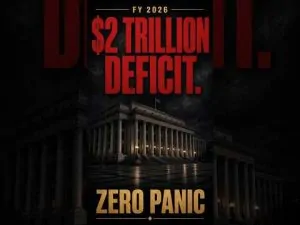
Foreigners already own less than a third of marketable Treasuries, down from nearly half fifteen years ago. Annual deficits are still around $2 trillion.
When foreign lenders step back, the Federal Reserve has historically stepped in with the printing press.
Hope is not a strategy. That is why it makes sense to have a Plan B — real assets, diversified banking, and income that the dollar cannot quietly inflate away.
Full article:
#PlanB #Petrodollar #USDebt #SaudiArabia #Shorts